6 Books Recommended by Appliscale CEO Michał Nieć: Mastering Technology, Business, and Human Nature

Around here, we believe that staying ahead in Ad Tech means never really stopping the learning process. But that doesn't just mean reading up on the latest Google algorithm updates or Kubernetes features. Sometimes, the best lessons come from unexpected places.
To kick off a new series on what's influencing our thinking, we asked our CEO & Co-founder, Michał Nieć, to share the books that have most profoundly shaped his approach to running the company, managing people, and scaling the business.
This list skips the typical corporate bestsellers. Instead, it’s a personal look at titles spanning ancient history, cognitive science, and financial engineering – all feeding into Michał’s unique perspective on leadership.
Here is the essential reading list from Michał Nieć:
1. Emotional Intelligence by Daniel Goleman
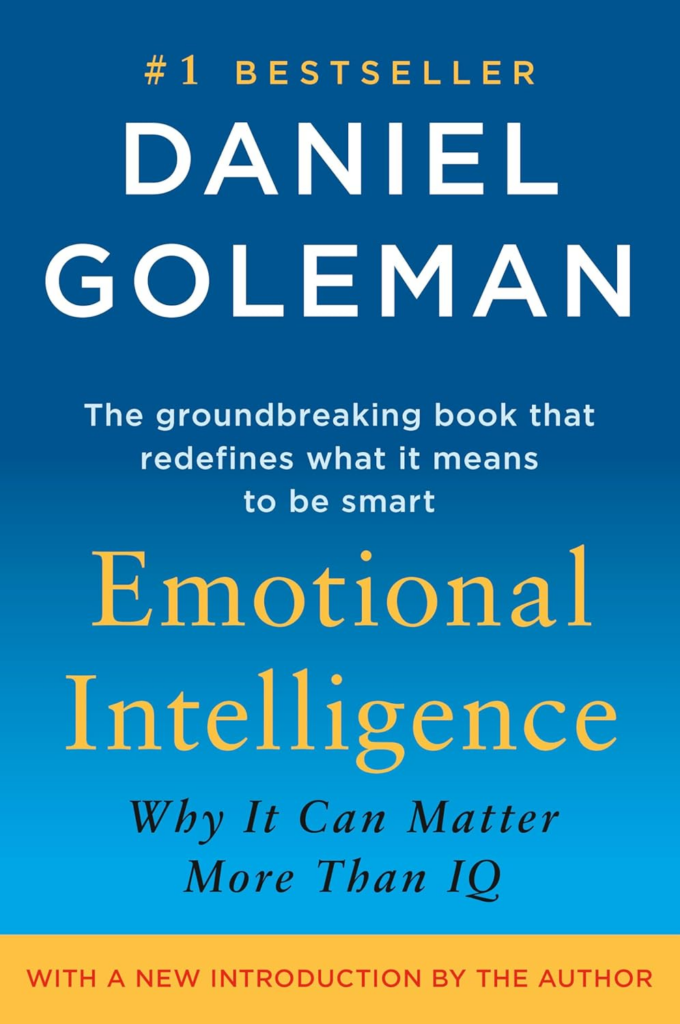
A classic, but absolutely fundamental. In the tech world, we often over-index on IQ, forgetting that EQ is what usually determines the quality of our collaboration. Goleman argues that “If your emotional abilities aren't in hand, if you don't have self-awareness (...) then no matter how smart you are, you are not going to get very far.”
In engineering, we are trained to solve logic problems, but the most expensive incidents in a software agency are almost always human errors, not syntax errors. Goleman’s concept of the "amygdala hijack" effectively explains what happens to a senior developer during a heated code review or a client during an outage.
It helped me understanding not just myself, but the people around me e.g. teaching me how to handle stressful situations where others' reactions didn't match my expectations. It's not a book about being nice; it’s rather about debugging your own reaction time so you don't nuke a relationship over a temporary variable.
Definitely, a lesson in empathy and self-regulation that pays dividends daily (+ self-regulation is actually a technical skill).
2. Thinking, Fast and Slow by Daniel Kahneman
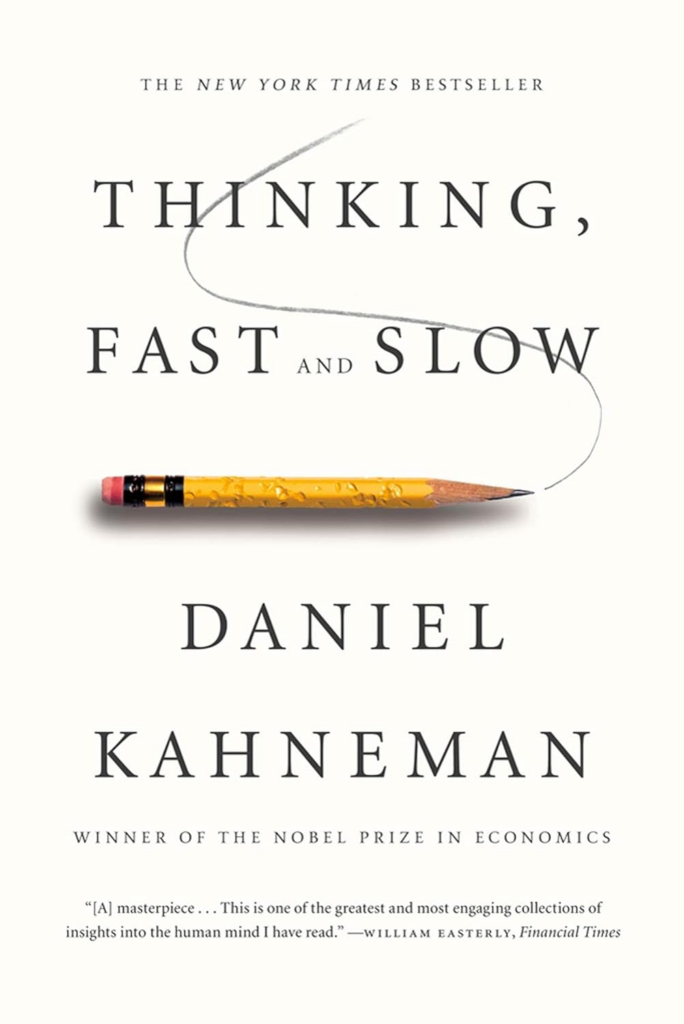
An all-time classic.
If Goleman teaches you how to handle emotions, Kahneman teaches you how to handle your brain. This book digs deep into the mechanics of thought—System 1 (fast/intuitive) vs. System 2 (slow/deliberate)—and exposes the cognitive biases that trip us up.
One of my biggest takeaways is the "illusion of validity" and how we often overestimate our ability to predict the future. It’s essential reading for anyone who wants to spot the traps in their own "rational" decision-making.
(Example in tech: the distinction between System 1 (fast, intuitive) and System 2 (slow, calculating) is crucial when you are trying to decide if a feature is actually necessary or if you are just falling for the "sunk cost fallacy" because you’ve already spent two sprints on it.)
3. Yield: How Google Bought, Built, and Bullied Its Way to Advertising Dominance by Ari Paparo
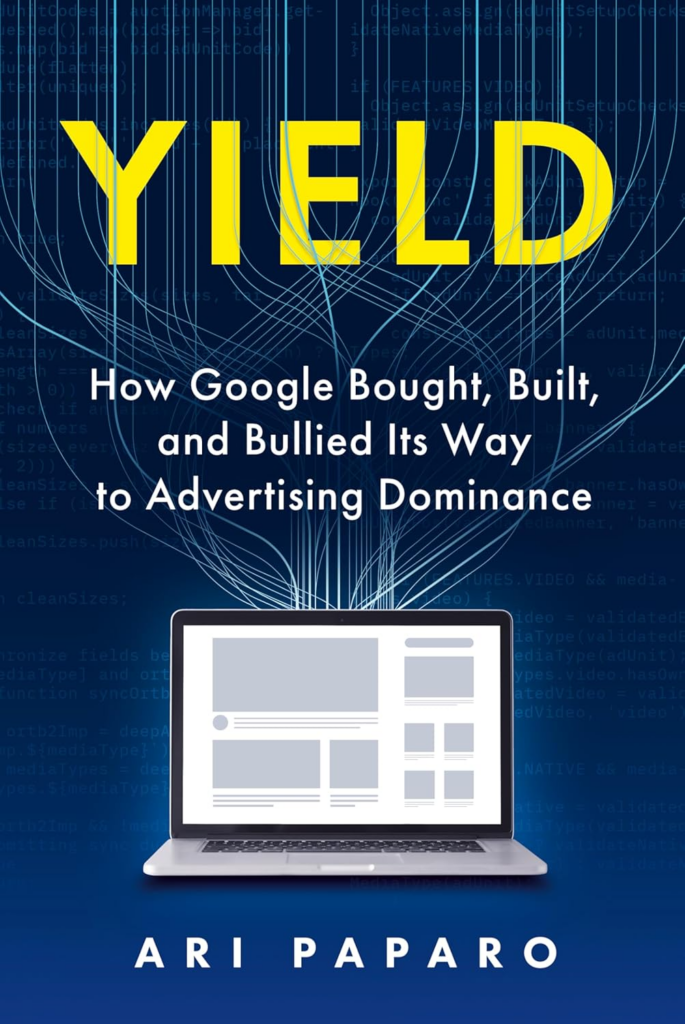
You cannot work in AdTech without understanding the plumbing. This is the documentation for the entire industry. Paparo details exactly how the ecosystem was engineered—from the early days of OpenRTB to the antitrust trials.
He breaks down the "Project Bernanke" mechanism and how Google used its position to see competitor bids and win auctions by a penny. It’s a masterclass in how market leverage is built and abused.
If you want to know why the margins in the industry are where they are, this book explains the math behind the monopoly.
4. Gaius Julius Caesar by Aleksander Krawczuk

A biography of Caesar by a brilliant Polish historian of antiquity (original Polish title: Gajusz Juliusz Cezar). This isn’t just history; it’s a riveting political thriller that actually happened—like reading an ancient House of Cards.
What struck me most was how Caesar, whom we view as a legendary conqueror, spent much of his career overshadowed by more powerful Roman figures like Pompey and Crassus. He faced repeated failures and setbacks—bankruptcies, scandals, military defeats—trying different paths to break through to the top tier of Roman politics. Reading about ancient politics for the first time, I was surprised by how familiar it all felt—the same dynamics we see today.
The book taught me three crucial lessons:
-
Resilience: Success often comes to those who refuse to quit despite humiliating defeats and years struggling to break through.
-
Luck: Fortune matters enormously. The line between ruin and triumph is often drawn by pure chance—as Caesar himself knew well.
-
Timelessness: Seeing how little has changed in 2,000 years helped me distinguish what’s genuinely important from what’s just today’s noise.
5. Moral Letters to Lucilius by Seneca
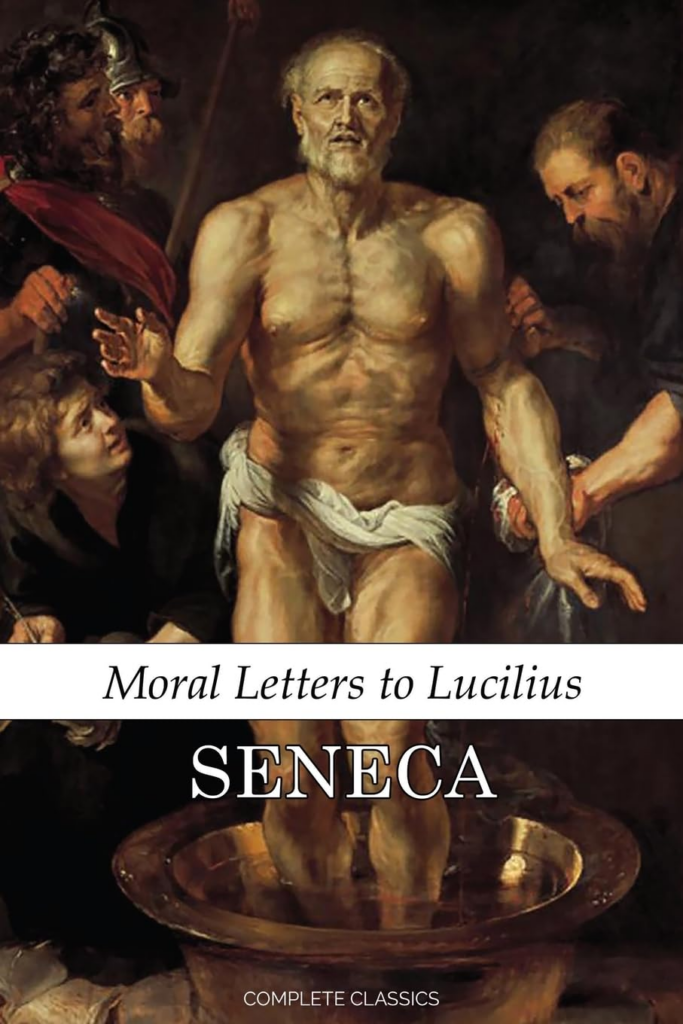
Seneca was a power broker in the Roman Empire (also known as Letters from a Stoic), so his advice is surprisingly practical for modern executives. These letters are essentially "stress testing" your own character. He argues that we suffer more in imagination than in reality—a useful reminder when you are staring at a red dashboard or a frightening Q3 forecast.
It’s a guide to maintaining a "steady state" regardless of external volatility.
6. Smart Portfolios by Robert Carver
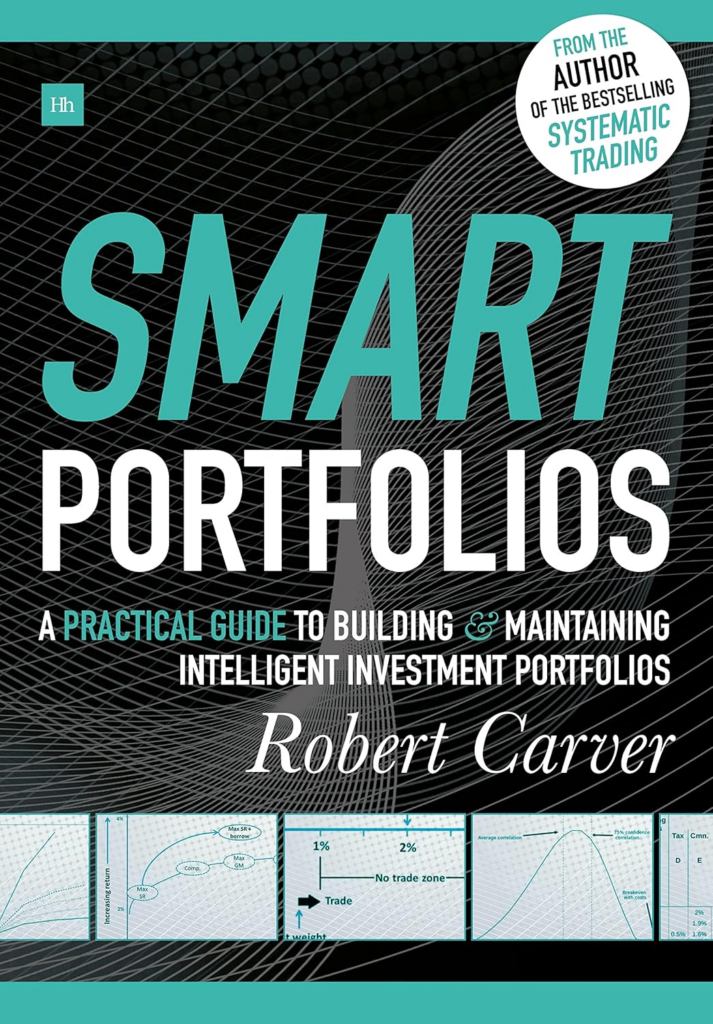
This is my current read. Carver comes from the world of systematic trading, where you remove human emotion from the equation entirely. He explains how to build portfolios based on correlations and variance rather than "stock picking." The parallel to running a company is stark: you can’t predict the future (market crashes, client churn), so you must build a system that is robust enough to handle uncertainty.
It’s about accepting that forecasting is usually impossible and engineering for survival instead.
What book would you add to this essential reading list? Let us know in the comments below!